Come le fabbriche di batterie gestiscono l'acido delle batterie
2026-02-03 15:23Table of Contents
1. Understanding Battery Acid
2. Why Safe Handling Matters
3. Personal Protective Equipment
4. Ventilation and Spill Control
5. Acid Filling Process
6. Handling Used Acid
7. Safe Dumping Procedures
8. Recycling and Neutralization
9. Modern Equipment Solutions
Understanding Battery Acid
Battery acid is the electrolyte used primarily in lead-acid batteries, the type found in cars, trucks, forklifts, and backup power systems. It's almost always diluted sulfuric acid with a concentration around 30-50%. This solution enables the chemical reactions that store and release electricity. While it's essential for battery performance, battery acid is highly corrosive and poses real risks if mishandled.
People often search for dddhhhbattery aciddddhhh when they've spilled some at home, noticed leakage from an old battery, or work in environments where batteries are assembled or maintained. In factories, handling happens on a much larger scale, with workers dealing with hundreds or thousands of liters daily.
Why Safe Handling Matters
Battery acid can cause severe chemical burns on skin and eyes within seconds of contact. Inhaling fumes irritates lungs and airways. If spilled on the floor, it eats through concrete over time and creates dangerous slip hazards. Beyond immediate safety, improper handling leads to environmental contamination—acid that reaches soil or water harms ecosystems and can result in heavy regulatory fines.
Factories follow strict protocols not just to protect workers but to meet international standards like OSHA in the US or similar regulations elsewhere. Good handling practices also reduce material waste and keep production lines running smoothly without unplanned shutdowns.
Personal Protective Equipment
Anyone working near battery acid wears full PPE. This includes acid-resistant gloves, aprons, boots, and face shields or goggles. Many factories require full-face respirators when working in enclosed filling stations. Rubber or PVC materials are standard because they resist sulfuric acid penetration better than ordinary fabrics.
Shower stations and eyewash facilities must be within a few seconds' reach. Workers are trained to rinse affected areas for at least 15 minutes if contact occurs, then seek medical help immediately.
Ventilation and Spill Control
Filling and dumping areas have powerful local exhaust ventilation systems that capture acid fumes before they spread. These systems often include scrubbers that neutralize the fumes before releasing air outside.
Floors in acid-handling zones are coated with acid-resistant epoxy and slightly sloped toward collection trenches. Spill kits containing neutralizing agents—usually sodium bicarbonate or specialized absorbents—are kept nearby. Quick response to even small spills prevents larger problems.
Acid Filling Process
In modern battery factories, acid filling is highly automated. Empty battery cases move along conveyor lines to filling stations where precise volumes of battery acid are pumped into each cell through nozzles. Machines control temperature and filling speed to avoid splashing and ensure consistent electrolyte levels.
Manual filling still exists in smaller operations, but workers use peristaltic pumps or gravity-fed systems with shut-off valves to minimize direct exposure. After filling, batteries typically go through a formation charge where the acid fully interacts with the plates.
Handling Used Acid
During production, some batteries fail quality checks and must be drained. Maintenance and recycling operations also generate large volumes of used battery acid. This acid contains lead contaminants and is even more hazardous than fresh acid.
Factories store used acid in dedicated acid-resistant tanks made of high-density polyethylene or lined steel. Pumps transfer the acid without manual pouring whenever possible.
Safe Dumping Procedures
Dumping battery acid—whether draining defective units or emptying tanks—is one of the riskiest steps. Manual tipping of containers leads to splashes, fumes, and back strain. Many factories now use enclosed pumping systems that transfer acid directly into collection tanks, eliminating open pouring.
Proper labeling and segregation prevent mixing incompatible chemicals. All transfers are documented to track volumes and ensure compliance with waste disposal regulations.
Recycling and Neutralization
Most battery factories don't simply dispose of used acid. Instead, they neutralize it on-site to raise the pH to acceptable levels, then precipitate out lead compounds for recovery. The treated water can often be reused in the plant or discharged safely.
Some facilities send used acid to specialized recycling centers that recover sulfuric acid for reuse. This closed-loop approach reduces costs and environmental impact significantly.
Modern Equipment Solutions
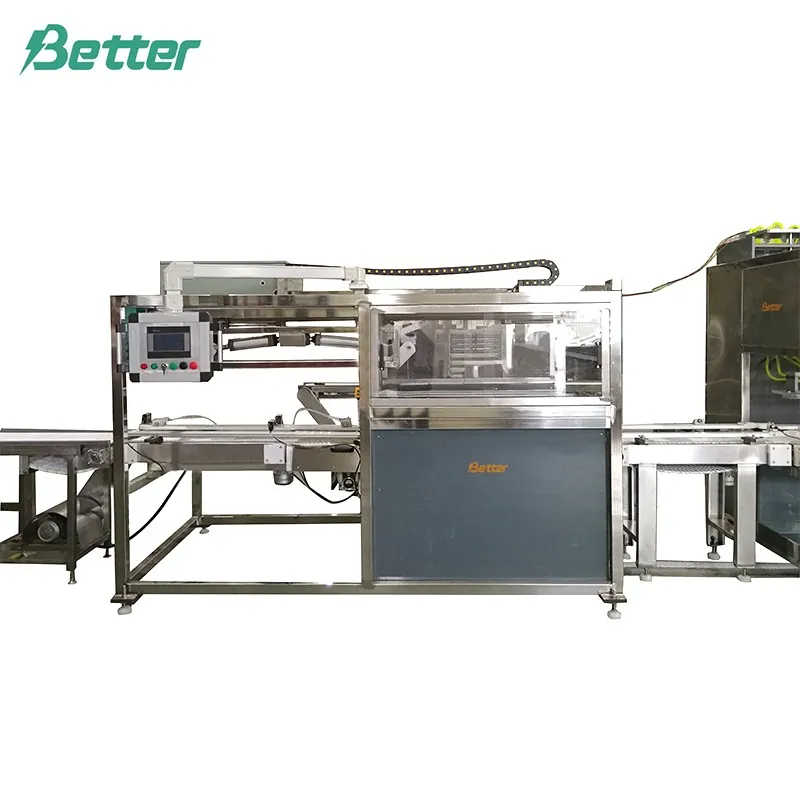
Automation has transformed how factories manage battery acid. One practical advancement is the acid dumping machine, designed specifically to drain defective or returned batteries safely and efficiently.
These machines enclose the battery, connect to the cells via sealed nozzles, and pump out the acid using vacuum or peristaltic systems. Fumes are captured at the source, and the acid flows directly into collection tanks without exposure to workers. The process is fast, clean, and reduces physical strain.
For factories looking to upgrade their acid handling, the acid dumping machine from Better Tech offers reliable performance with strong safety features and easy integration into existing lines. It's a straightforward way to minimize risks while maintaining production efficiency.